
What should you know about living in Dover, NH?
Living in Dover, NH means choosing a growing Seacoast city with a compact riverfront downtown, passenger-rail service, a substantial healthcare employment base, and housing that ranges from mill-building apartments to detached homes on lower-density roads. Downtown supplies restaurants, municipal services, arts programming, historic architecture, and the Cochecho River waterfront. Outside the center, Dover, NH shifts toward residential subdivisions, medical campuses, shopping centers, business parks, and rural-edge properties.
Dover, NH had an estimated population of 34,623 on July 1, 2025, according to the U.S. Census Bureau. That represents 5.7% growth from the April 2020 estimates base. Census data for 2020 to 2024 reports a median household income of $94,829, a median owner-occupied home value of $436,700, an owner-occupancy rate of 52.7%, and 15,042 households. These multi-year figures provide a demographic baseline, while current asking prices and rents can be considerably higher.
The direct answer is that Dover, NH combines more housing variety and a larger resident population than many nearby Seacoast communities, while remaining less expensive than Portsmouth, NH by several broad housing measures. The tradeoffs include a competitive housing market, vehicle dependence outside the center, winter operating costs, and traffic on Central Avenue and regional commuter routes. Dover, NH is best evaluated address by address because a downtown apartment, a Dover Point waterfront property, and a house near the Barrington line create very different routines.
For a prospective resident, the useful question is not whether Dover, NH is universally better than another community. It is whether the available housing, actual commute, school assignment, transportation options, property expenses, and nearby amenities fit a specific budget and schedule.
Where is Dover, NH, and how is the city organized?
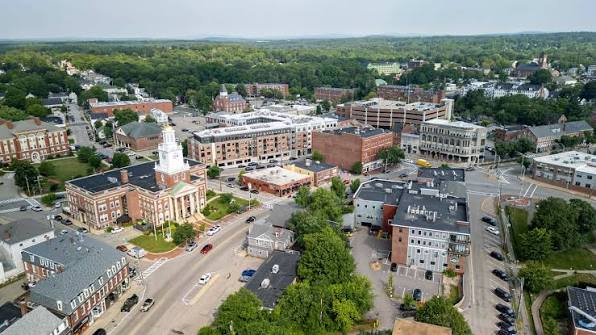
Dover, NH is in Strafford County, north of Portsmouth, NH and west of southern Maine. It is the county seat and part of the Portsmouth-Dover-Rochester regional economy. The Cochecho and Bellamy rivers shape the landscape, while Route 16, also known as the Spaulding Turnpike, provides the principal north-south highway connection. Routes 4, 9, 108, and 155 connect Dover, NH with Durham, Somersworth, Rochester, Madbury, Barrington, and other nearby communities.
The city has several distinct development patterns:
- Downtown and the Cochecho waterfront: Central Avenue, Washington Street, Main Street, Henry Law Park, mill buildings, municipal offices, shops, restaurants, and mixed-use redevelopment.
- Established in-town residential streets: Older detached homes, duplexes, small multifamily buildings, and twentieth-century neighborhoods surrounding the center.
- South Dover and Dover Point: Residential roads, waterfront and water-access properties, newer subdivisions, condominiums, and connections toward Portsmouth, NH.
- Outer commercial corridors: Weeks Lane, Indian Brook Drive, Central Avenue north of downtown, Knox Marsh Road, and areas near Route 16 contain supermarkets, medical offices, hotels, restaurants, and larger-format retail.
- Western and northern edges: Lower-density roads, wooded parcels, business and industrial sites, and housing near the borders with Barrington, Madbury, and Somersworth, NH.
This mix gives Dover, NH both a recognizable urban center and a broad suburban or semi-rural outer area. The address determines whether daily life is primarily walkable, transit-accessible, or vehicle-oriented.
What is downtown Dover, NH, like?
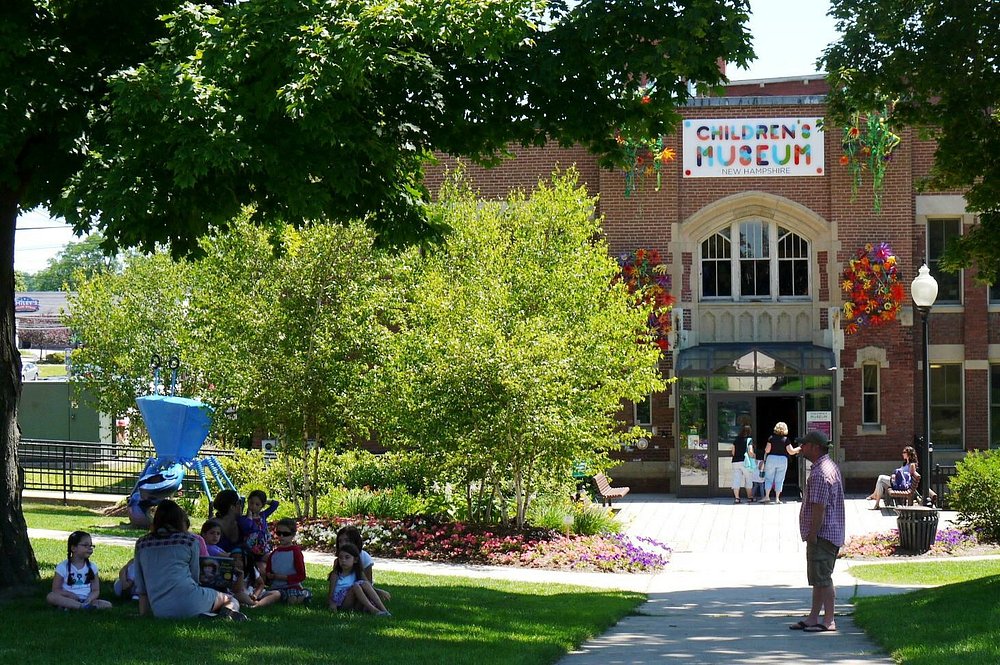
Downtown Dover, NH follows Central Avenue and adjacent streets near the Cochecho River. Historic brick mill buildings, newer apartment projects, restaurants, cafes, City Hall, the Dover Public Library, Children's Museum of New Hampshire, and Henry Law Park sit within a relatively compact area. The Dover Transportation Center provides Amtrak Downeaster rail service and connections to local or intercity transportation.
Housing includes apartments above storefronts, converted mill units, condominiums, newer multifamily buildings, and older homes on nearby residential streets. A downtown address can reduce driving for dining, library visits, events, parks, and rail trips. Tradeoffs can include street and event activity, limited private outdoor space, shared parking, building rules, and rents shaped by demand for newer or centrally located units.
The Cochecho waterfront is an evolving part of downtown. Public and private projects have added housing, public space, and redevelopment plans to former industrial land. Prospective residents should distinguish completed amenities from proposed phases and investigate nearby construction, parking plans, flood information, and the precise walking route from a property to Central Avenue.
What are the outer commercial areas of Dover, NH, like?
The Indian Brook Drive and Weeks Lane area near Route 16 is Dover, NH's largest concentration of auto-oriented retail. Supermarkets, big-box stores, restaurants, hotels, banks, medical services, and other businesses sit in shopping centers with large parking areas. Central Avenue north of downtown has additional grocery, pharmacy, medical, restaurant, and service uses. Knox Marsh Road and Enterprise Park connect office, light-industrial, and employment sites to regional highways.
These areas make routine shopping practical, but walking between destinations is less consistent than downtown. Housing nearby includes apartment communities, condominiums, townhouses, subdivisions, and older detached homes. A residence close to Route 16 can shorten regional commuting while introducing highway or commercial traffic, depending on the parcel.
What does everyday life in Dover, NH, feel like?

Everyday life in Dover, NH is a blend of small-city and Seacoast routines. A downtown resident may walk to coffee, the library, Henry Law Park, a restaurant, or the train. Someone in South Dover may drive toward Portsmouth, NH or Pease International Tradeport for work. A resident near Indian Brook Drive may combine grocery shopping, a medical appointment, and other errands in one auto-oriented district.
Weekday traffic concentrates around Central Avenue, school routes, Wentworth-Douglass Hospital, Route 16 interchanges, and the morning and evening commute. The city's mean travel time to work was 22.8 minutes in 2020 to 2024, although that figure combines local workers, remote workers, and longer-distance commuters. An individual trip can differ sharply.
Seasonality changes the pace. Summer brings Cochecho Arts Festival events, park use, farmers' markets, and trips to the coast. Fall adds Apple Harvest Day and foliage traffic. Winter requires snow removal, heating, parking-rule awareness, and additional travel time during storms. Spring brings trail and riverfront use as conditions permit. Downtown remains active year-round, but the event calendar and outdoor spaces are most heavily used during warmer months.
What are the neighborhoods and housing areas in Dover, NH?
Dover, NH does not have one universally agreed list of neighborhood boundaries. The areas below are practical housing-search zones rather than official districts. Buyers and renters should evaluate the specific parcel, lease, utilities, zoning, flood information, transportation, and school assignment instead of relying on a neighborhood name.
What is the Downtown and Cochecho waterfront area like?
The downtown and waterfront area contains the greatest concentration of apartments and mixed-use buildings in Dover, NH. Converted mills may offer large windows, high ceilings, and common amenities, while newer buildings may add structured parking, elevators, fitness rooms, or coworking spaces. Older upper-floor units can have different layouts, heating arrangements, and accessibility features.
The central advantage is proximity to restaurants, City Hall, the public library, Henry Law Park, museums, events, and Amtrak service. Compare parking allocation, guest parking, utility inclusions, pet rules, noise transfer, storage, and rent-renewal terms before choosing a unit.
What are the established in-town streets near Central Avenue like?
Residential streets around the center include New Englanders, capes, colonials, duplexes, smaller multifamily properties, and twentieth-century houses. Areas around Garrison Hill, Silver Street, Locust Street, and adjoining blocks provide different combinations of downtown access, lot size, building age, and street traffic.
Older housing warrants careful inspection of roofs, foundations, insulation, electrical capacity, plumbing, drainage, windows, and heating systems. Some properties have been converted into multiple units, so buyers should confirm legal unit count, permits, utility metering, parking, and current zoning records.
What is the Garrison Hill area like?
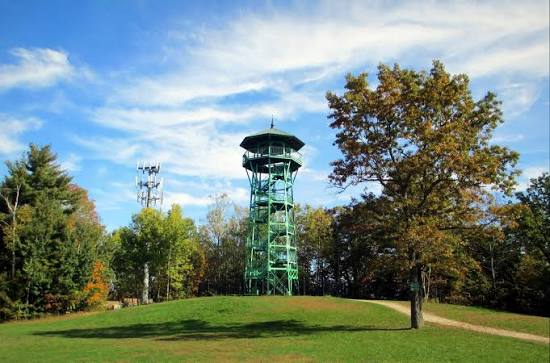
Garrison Hill rises east of Central Avenue and is known for Garrison Hill Park and its observation tower. Housing in the surrounding area includes detached homes from several periods, apartment buildings, condominiums, and properties near Dover's medical and commercial services. The hill and street network can affect walking routes, especially in winter.
This part of Dover, NH provides relatively quick access to downtown, Wentworth-Douglass Hospital, Central Avenue businesses, and Route 16. Property conditions and traffic exposure vary, so block-level review matters more than the general label.
What is South Dover, NH, and the Back River area like?
South Dover, NH extends toward Dover Point, Newington, NH, and Portsmouth, NH. Back River Road and nearby streets include established houses, subdivisions, wooded lots, water-influenced settings, and newer residential development. Many addresses provide practical access to Route 16 and Seacoast employment centers.
Housing can include ranches, capes, colonials, townhouses, and larger contemporary homes. Buyers should examine drainage, wetlands, private-road obligations where applicable, traffic at commuting times, and the distance to schools and routine shopping.
What is Dover Point like?
Dover Point occupies the southern peninsula between river systems and offers one of the city's clearest waterfront identities. Housing ranges from compact older homes and condominiums to newer construction and higher-priced properties with water frontage or docks. Pointe Place adds apartments, condominiums, services, and other residential formats near Dover Point Road.
Water access can increase price and introduce additional due diligence. Review flood maps, elevation information, shoreline rules, dock permits, insurance availability, septic or sewer status, and exposure of exterior systems. Commuters often value the connection toward Portsmouth, NH, but the exact drive depends on Route 16 traffic and the property's distance from the interchange.
What are the western and rural-edge areas of Dover, NH, like?
Western Dover, NH toward Barrington and Madbury includes lower-density roads, wooded lots, established homes, conservation land, and newer subdivisions. These settings may offer more land or separation between buildings than downtown, but they usually involve more driving and more direct responsibility for exterior upkeep.
Some properties may use wells, septic systems, private roads, propane, oil heat, or longer driveways. Confirm water quality, septic records, road maintenance, internet service, wetlands, easements, snow-management needs, and travel time to work before comparing price alone.
What are schools in Dover, NH, like according to Niche?
Dover School District serves prekindergarten through grade 12. Niche's 2026 district profile gives it an above-average designation and reports 3,537 students, a 13:1 student-teacher ratio, and state-test proficiency of 39% in math and 56% in reading. Niche combines government data, its own methodology, and in some categories user-reported information. Enrollment, grades, programs, and boundaries can change, so verify current assignments and services with the district.
| School | Grades | Niche-reported enrollment | Student-teacher ratio | Niche-reported academic snapshot |
|---|---|---|---|---|
| Garrison School | K to 4 | 353 | 12:1 | B overall grade; 54% math and 61% reading proficiency; No. 87 among New Hampshire public elementary schools |
| Frances G. Hopkins Elementary School at Horne Street | K to 4 | 412 | 13:1 | B-minus overall grade; 62% math and 57% reading proficiency |
| Woodman Park School | PK to 4 | 421 | 12:1 | C-plus overall grade in Niche's 2026 listing |
| Dover Middle School | 5 to 8 | 941 | 13:1 | B overall grade; 38% math and 56% reading proficiency; No. 59 among New Hampshire public middle schools |
| Dover Senior High School | 9 to 12 | 1,371 | 13:1 | B overall grade; 26% math and 64% reading proficiency; No. 25 among New Hampshire public high schools |
Niche reports an 87% average graduation rate for Dover Senior High School, an average SAT score of 1170 based on 388 user responses, and an average ACT score of 29 based on 17 responses. It also reports 11% AP enrollment. Dover Senior High School shares a modern campus with Dover Regional Career Technical Center, which offers career-focused pathways. Program availability and admission requirements should be checked directly.
The city also has private and charter options, including St. Mary Academy and Portsmouth Christian Academy at Dover. These schools have their own admissions, tuition, grade configurations, and transportation arrangements. School comparisons should focus on verifiable factors such as curriculum, class offerings, facilities, services, transportation, and an individual student's needs.
What jobs and employers are in Dover, NH?
Dover, NH has a diverse employment base centered on healthcare, education, government, retail, professional services, hospitality, manufacturing, and construction. Its location also allows commuting to Portsmouth, NH, Pease International Tradeport, Durham, Rochester, Somersworth, and southern Maine.
Major employers and employment institutions include:
- Wentworth-Douglass Hospital: A Mass General Brigham member and one of the city's largest employment centers, with clinical, technical, administrative, facilities, food-service, and professional roles.
- Dover School District: Teaching, student services, administration, food service, transportation, maintenance, technology, and operational positions.
- City of Dover: Municipal administration, public works, recreation, library, planning, utilities, fire, police, and other public-service roles.
- Strafford County: County administration, corrections, nursing and rehabilitation, court-related functions, and human services are based in or near the county complex.
- Cognia: The education-assessment and accreditation organization associated with the former Measured Progress operations has maintained a Dover, NH presence, although office requirements can change.
- Retail and service employers: Central Avenue, Indian Brook Drive, Weeks Lane, and downtown contain supermarkets, hotels, restaurants, banks, medical practices, and national or local retailers.
- Manufacturing and industrial businesses: Business parks and outer corridors accommodate light manufacturing, distribution, construction, engineering, and service companies.
City economic-development materials describe opportunities in manufacturing, warehousing, shipping, professional services, retail, offices, and downtown or waterfront businesses. Dover, NH also benefits from nearby University of New Hampshire employment in Durham and the biotechnology, software, insurance, aviation, and federal employers at Pease and in Portsmouth, NH.
Job seekers should distinguish an employer's mailing address from the actual worksite and confirm onsite, hybrid, or remote expectations. A job described as being in the Dover area may be in a neighboring community, which changes the commute.
What is the housing market like in Dover, NH?
The Dover, NH housing market includes historic houses, New Englanders, capes, ranches, colonials, multifamily buildings, mill apartments, condominiums, townhouses, waterfront properties, manufactured housing, and new construction. This variety is broader than in many smaller Seacoast towns, but inventory within a particular price range or housing type can still be limited.
Census estimates for 2020 to 2024 put the median owner-occupied value at $436,700 and median monthly owner costs with a mortgage at $2,541. Those figures are multi-year survey estimates and do not represent the price of a home listed today.
For a current market snapshot, Zillow reported a typical Dover, NH home value of approximately $548,206 as of July 31, 2026, up 1.5% over the prior year. It reported 74 for-sale listings, 35 new listings, a median list price of $609,783, and nine median days to pending. Redfin reported a median sale price of about $601,913 for the three months ending July 2026, up 10.8% year over year, with homes selling after roughly 33 days on average.
The numbers differ because they measure different things. Zillow's typical value is a modeled index across the housing stock; its list-price and inventory figures describe active listings. Redfin's median describes the mix of properties sold during a defined period. Neither predicts the value or competition for a specific house.
Buyers should compare recent sales for the same property type, size, condition, utility setup, and location. A downtown condominium, a multifamily property, a Dover Point waterfront house, and a rural-edge home belong to different competitive sets. Small monthly samples can cause dramatic percentage swings.
What housing costs should buyers and renters consider in Dover, NH?
The purchase price or advertised rent is only the starting point. Ownership costs can include principal, interest, property taxes, homeowners insurance, flood insurance where relevant, utilities, maintenance, snow removal, and association fees. Older housing may require roof, foundation, electrical, plumbing, insulation, window, or heating-system work.
Renters should compare parking, heating source, hot water, electricity, laundry, storage, internet, pet charges, application costs, and lease-renewal terms. Apartments.com reported an average apartment rent of about $1,909 per month in 2026, while Realtor.com reported a median asking rent of approximately $2,300 in July 2026. These services cover different inventories and methodologies, so actual unit quotes are more useful than a single citywide number.
For condominiums, review association budgets, reserves, insurance, rules, fee history, meeting minutes, owner-occupancy requirements, rental restrictions, and pending assessments. For multifamily homes, confirm legal units, leases, deposits, utilities, permits, and code status. For waterfront or low-lying properties, investigate parcel-specific flood information and insurance before relying on a listing description.
How much does it cost to live in Dover, NH?
Housing is the largest variable in the cost of living in Dover, NH. Census Reporter shows the 2020 to 2024 median owner-occupied value was about 10% above the New Hampshire figure and roughly 1.3 times the national figure. Median household income was $94,829, slightly below the statewide estimate and about 20% above the national estimate in the same dataset.
Third-party indexes should be treated as directional. AreaVibes placed Dover, NH at an overall cost-of-living index of 116, or 16% above the national benchmark, and estimated utilities at 6.9% above the national benchmark. ERI estimated Dover, NH at 17% above the national average. The methodologies, dates, and spending baskets differ, so these figures are not personal budgets.
A realistic Dover, NH budget should include:
- Housing: Current mortgage or rent, property taxes, insurance, fees, and maintenance.
- Utilities: Electricity, heating oil or gas, water and sewer where billed, internet, and seasonal heating variation.
- Transportation: Vehicle payments, insurance, fuel, Route 16 tolls where applicable, parking, maintenance, and winter tires or snow services.
- Food: Supermarkets are readily available in outer commercial districts; regular downtown dining changes the discretionary total.
- Healthcare and childcare: Costs depend on coverage, provider, age, schedule, and availability and require current quotes.
- Taxes: New Hampshire has no general sales tax and does not tax wage income, while property taxes remain a significant housing expense. Personal tax questions require qualified advice.
Compare total monthly cost rather than rent or mortgage alone. A downtown unit may reduce some driving but charge more for space or parking. A lower-density home may provide a different housing format while increasing commuting, heating, snow, and exterior-maintenance costs.
How does living in Dover, NH, compare regionally?
| Community | General setting | Housing pattern | Daily access comparison |
|---|---|---|---|
| Dover, NH | Growing river city with a defined downtown and rail station | Mills, apartments, older homes, subdivisions, condos, and waterfront properties | Walkable center, Route 16 access, Amtrak service, and substantial local employment |
| Portsmouth, NH | Denser historic seaport and regional visitor center | More downtown condos, compact lots, and high-priced waterfront housing | More restaurants and cultural concentration; generally higher housing costs |
| Rochester, NH | Larger inland service and employment center north of Dover, NH | Broad detached-home and apartment inventory | More regional retail and a different Route 16 commute; less concentrated downtown tourism |
| Somersworth, NH | Smaller former mill city adjoining Dover, NH | Older houses, multifamily properties, and compact lots | Short access to Dover, NH services with a smaller downtown and housing market |
| Durham, NH | University-centered town south of Dover, NH | Student-oriented rentals, condominiums, and detached homes | Direct access to the University of New Hampshire and Amtrak; academic-calendar traffic matters |
| Newmarket, NH | Compact mill-town center southwest of Dover, NH | Older homes, mill apartments, condos, and subdivisions | Smaller commercial base with practical access to Durham and the Seacoast |
| South Berwick, ME | Lower-density Maine community across the state line | Detached homes, village properties, and rural-edge housing | Different state taxes and services; commuting into Dover, NH is common |
Dover, NH occupies a middle position in the region. It has more housing types and local services than many small towns, a larger population and lower broad housing baseline than Portsmouth, NH, and a more concentrated downtown than many suburban communities. It also offers direct passenger rail, which Portsmouth, NH lacks.
How long are drives from Dover, NH, to regional destinations?
These are approximate off-peak driving times from central Dover, NH, not mileage. Weather, construction, Route 16 congestion, Boston traffic, university events, and summer coastal travel can add substantial time.
| Destination | Typical drive from central Dover, NH | Practical note |
|---|---|---|
| University of New Hampshire in Durham | 15 to 20 minutes | Campus schedules and events can affect local traffic |
| Downtown Portsmouth, NH | 20 to 30 minutes | Route 16 is the usual connection |
| Pease International Tradeport | 25 to 35 minutes | Time varies by worksite entrance and commute period |
| Kittery Foreside, Maine | 25 to 35 minutes | Bridge and Portsmouth traffic can extend the trip |
| Rye beaches | 30 to 40 minutes | Summer weekends may take longer |
| Hampton Beach | 35 to 45 minutes | Beach and event traffic can add substantial time |
| Downtown Rochester, NH | 20 to 25 minutes | Route 16 is the primary route |
| Manchester-Boston Regional Airport | 55 to 70 minutes | Route choice varies with traffic |
| Downtown Portland, Maine | 60 to 75 minutes | Maine Turnpike traffic affects timing |
| Boston Logan International Airport | 75 to 100 minutes | Allow substantially more during Boston peak periods |
| Downtown Boston | 80 to 105 minutes | Driving time varies sharply by day and hour |
| North Conway, NH | About 1 hour 45 minutes to 2 hours 15 minutes | Recreation and foliage traffic can extend the trip |
The Amtrak Downeaster gives Dover, NH an alternative to driving for trips toward Boston and Maine. Published schedules vary, but trips to Boston North Station are generally around 1 hour 30 minutes to 1 hour 45 minutes, while Portland is often approximately 1 hour 15 minutes to 1 hour 30 minutes. Confirm the current timetable. Boston North Station is separate from South Station, so some onward trips require a local transfer.
COAST provides regional bus service connecting Dover, NH with Portsmouth, NH, Somersworth, Rochester, and other destinations on selected routes. Service frequency and operating days differ by route, so transit-dependent households should test the schedule against work hours before selecting housing.
What amenities are available in Dover, NH?
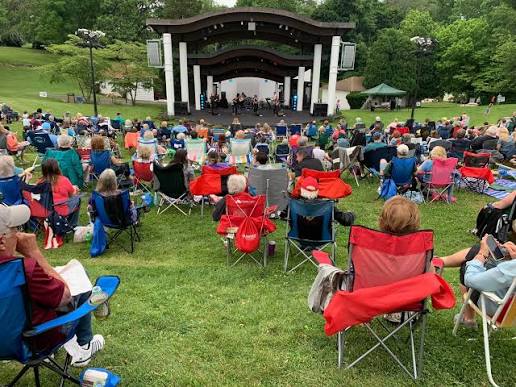
Downtown amenities include the Dover Public Library, Henry Law Park, Children's Museum of New Hampshire, restaurants, cafes, local retailers, City Hall, indoor recreation, arts venues, and seasonal events. The Dover Transportation Center adds passenger rail and local connections. The Cochecho River and downtown parks give public space a visible role in the center.
Wentworth-Douglass Hospital and related medical practices create a significant healthcare campus. Outer commercial areas provide supermarkets, pharmacies, banks, gyms, hotels, restaurants, and larger retailers. Residents can complete most routine errands without leaving Dover, NH, although specialty shopping and some services may require a regional trip.
Outdoor options include Garrison Hill Park and Tower, Bellamy Park, Henry Law Park, the Dover Community Trail, Willand Pond, Hilton Park at Dover Point, and city conservation lands. Trail surface, parking, water access, and seasonal conditions vary. Recreation programs, athletic fields, playgrounds, and indoor facilities broaden the municipal amenity base.
#ThingsToDoInDoverNH: What should be on your list?
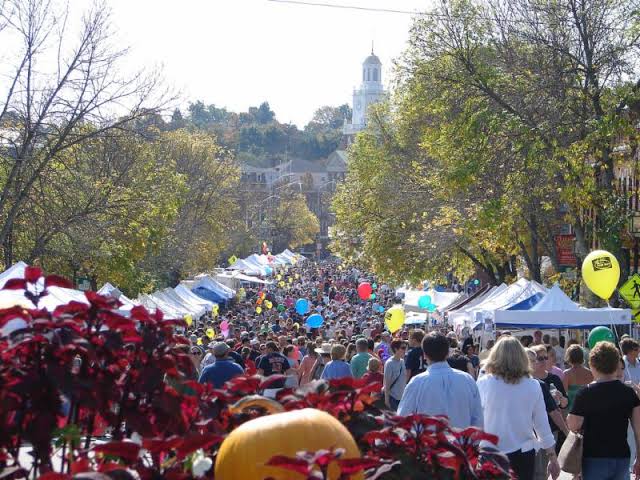
Dover, NH offers history, public art, live music, museums, parks, food, and recurring community events. Dates and operating schedules change, so confirm details before visiting.
- Visit the Children's Museum of New Hampshire. The downtown museum features hands-on exhibits and programs focused on science, art, culture, and imaginative play.
- Explore the Woodman Museum. Its historic buildings and collections cover local history, natural history, art, and material culture.
- Attend Apple Harvest Day. Dover, NH's signature October event fills downtown with hundreds of vendors, multiple entertainment stages, food, activities, and a road race.
- See the Cochecho Arts Festival. The summer series brings concerts and creative programming to downtown Dover, NH.
- Walk through Henry Law Park. The riverfront park connects green space, playground and recreation facilities, the museum area, and downtown events.
- Climb Garrison Hill Tower. The observation tower provides broad views over Dover, NH and the surrounding region when open.
- Use the Dover Community Trail. The multi-section trail provides routes for walking, running, and cycling through urban and wooded settings.
- Visit Hilton Park at Dover Point. The park offers river views, picnic space, fishing access, and a place to observe bridges and tidal activity.
- Walk the historic downtown and mill district. Central Avenue, Washington Street, Main Street, and riverfront blocks show the city's industrial and commercial evolution.
- Shop the Dover Farmers' Market. The seasonal market at Guppey Park features regional farms, food producers, and prepared items.
- Attend Dover's Fourth of July celebration. Seasonal programming typically includes music and fireworks; confirm the current location and schedule.
- Try Dover Pride. The annual downtown event includes vendors, performances, and community programming.
- Attend the Dover Chamber's Festival of Trees. The seasonal event displays decorated trees and related holiday programming.
- See a production at the Garrison Players Arts Center. The nearby Rollinsford venue presents community theater and performing arts within a short drive of Dover, NH.
- Visit Willand Pond. The pond and surrounding trail provide an accessible outdoor option near the Dover, NH and Somersworth, NH line.
- Take the Downeaster for a day trip. Rail service makes car-free outings toward Portland, Maine or Boston possible, subject to schedules and ticket availability.
- Explore nearby Wagon Hill Farm. The Durham conservation property offers fields, wooded trails, and Great Bay views within a short regional drive.
- Combine Dover, NH with Seacoast destinations. Portsmouth, NH, Kittery, Maine, Odiorne Point State Park, and the New Hampshire beaches are practical day-trip options.
What are the pros and cons of living in Dover, NH?

What are the pros of living in Dover, NH?
- Defined downtown: Restaurants, public spaces, museums, municipal services, events, and historic buildings create a recognizable center.
- Passenger rail: The Amtrak Downeaster connects Dover, NH with Boston and Maine.
- Housing variety: Apartments, mills, condominiums, multifamily buildings, detached homes, subdivisions, rural-edge properties, and waterfront housing provide multiple formats.
- Local employment: Wentworth-Douglass Hospital, schools, municipal and county government, retail, services, and professional firms provide a meaningful in-city job base.
- Regional job access: Portsmouth, NH, Pease, Durham, Rochester, Somersworth, and southern Maine expand commuting options.
- In-city services: Healthcare, supermarkets, pharmacies, recreation, restaurants, government services, and routine retail are available within Dover, NH.
- Parks and trails: The Community Trail, riverfront parks, Garrison Hill, Willand Pond, and conservation areas provide varied outdoor access.
- Event calendar: Apple Harvest Day, the Cochecho Arts Festival, farmers' markets, museum programs, and seasonal celebrations create recurring activities.
- Regional housing position: Broad market measures are generally below Portsmouth, NH, although Dover, NH prices remain above national benchmarks.
What are the cons of living in Dover, NH?
- Competitive housing: Limited inventory within specific price ranges can produce quick timelines and multiple-offer situations.
- Rising prices and rents: Current market figures are substantially higher than older leases and Census multi-year medians.
- Vehicle dependence outside downtown: Most outer neighborhoods and commercial districts are easier to navigate by car.
- Traffic concentrations: Central Avenue, Route 16 interchanges, hospital activity, school schedules, and regional commuting can affect travel times.
- Property-related expenses: Taxes, insurance, heating, maintenance, utilities, and association fees can materially change affordability.
- Older-building maintenance: Historic and early twentieth-century properties can require specialized repairs or energy improvements.
- Downtown construction and activity: Redevelopment, events, deliveries, and parking demand can affect particular blocks.
- Variable long-distance commute: Driving to Greater Boston is highly dependent on the day and hour.
- Limited transit coverage: Rail is useful for corridor trips, but local bus frequency and neighborhood coverage do not replace a car for every routine.
Is living in Dover, NH, a good fit for your priorities?
Dover, NH is worth considering when housing variety, a defined downtown, local healthcare employment, passenger rail, and access to the wider Seacoast rank highly. It may be less suitable when the priorities are a low-cost housing market, extensive citywide public transit, immediate ocean access, or a predictable daily drive to central Boston.
Evaluate Dover, NH at the property level. Visit at different times of day, test the actual commute, confirm school assignment, compare recent like-for-like sales, review utilities and insurance, and calculate total monthly cost. A mill apartment beside the Cochecho River will create a different routine from a house at Dover Point or a wooded property near the Barrington line.
Disclaimer: This article is for general informational purposes and does not provide legal, tax, lending, school-selection, or real estate advice. Market statistics, school data, travel times, event schedules, and employer information can change. Verify current details with the relevant institution or qualified professional.
Sources
U.S. Census Bureau QuickFacts, Dover city, Census Reporter, Dover, NH, New Hampshire Employment Security Community Profile, New Hampshire Employment Security Employers, City of Dover, NH, City of Dover Business Development, Visit Dover, Greater Dover Chamber of Commerce, Niche Dover School District, Niche Garrison School, Niche Frances G. Hopkins Elementary School at Horne Street, Niche Woodman Park School, Niche Dover Middle School, Niche Dover Senior High School, Zillow Dover, NH Housing Market, Redfin Dover, NH Housing Market, Realtor.com Dover, NH Housing Market, Apartments.com Dover, NH Rent Market, AreaVibes Dover, NH Cost of Living, ERI Dover, NH Cost of Living, Amtrak Downeaster Dover Station, COAST, Wentworth-Douglass Hospital, Children's Museum of New Hampshire, Woodman Museum, Dover Chamber Things to Do
Articles on this blog are for general educational purposes and are not individualized legal, tax, lending, or real estate advice. Markets, rules, and programs change, and every situation is different. Always consult a qualified professional about your specific circumstances.