
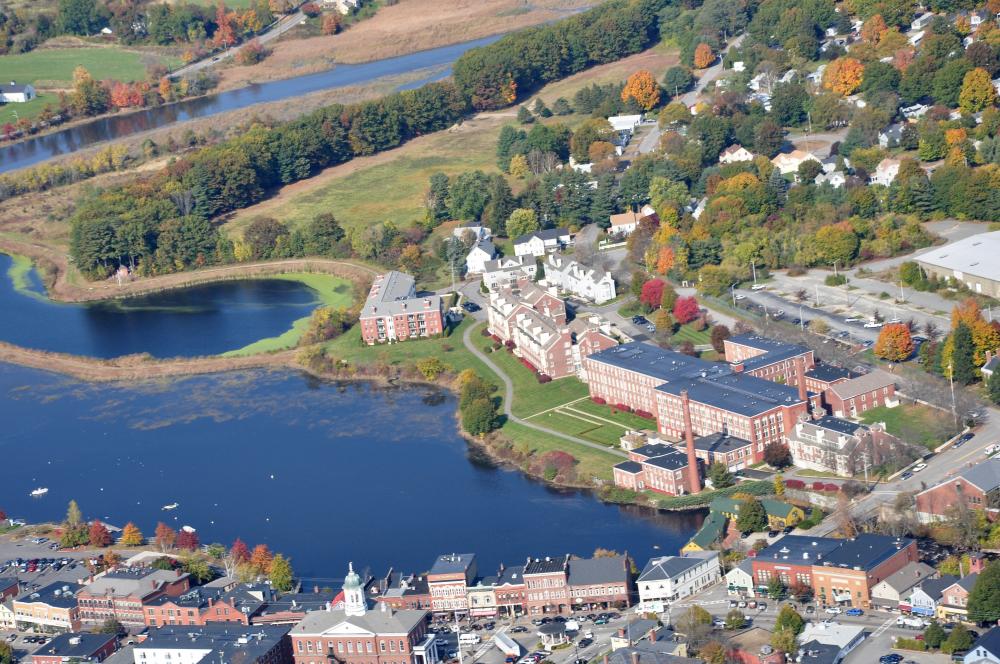
What should you know about living in Exeter, NH?
Living in Exeter, NH, means choosing a historic Seacoast town with a compact downtown, passenger rail service, a varied housing stock and access to regional employment centers.
Exeter, NH, had an estimated population of 16,213 in 2025. Its daily rhythm is shaped by Water Street businesses, the Squamscott River, Phillips Exeter Academy, Exeter Hospital, town forests and commercial corridors that make routine shopping practical.
The central tradeoff is straightforward. Exeter, NH, offers more downtown activity and housing variety than many nearby residential towns, but current home prices and property-related expenses require careful budgeting. It is less urban and less restaurant-intensive than Portsmouth, NH, yet it provides more of a walkable town center than Stratham, NH, or Brentwood, NH. Boston and Portland are both reachable by the Amtrak Downeaster in roughly 70 to 80 minutes, while most everyday errands within Exeter, NH, are completed by car.
For prospective residents, the most useful question is not whether Exeter, NH, is universally better than another town. It is whether the combination of housing type, commute, school assignment, taxes, amenities and access fits a specific household budget and routine.
As Kate Foss puts it:
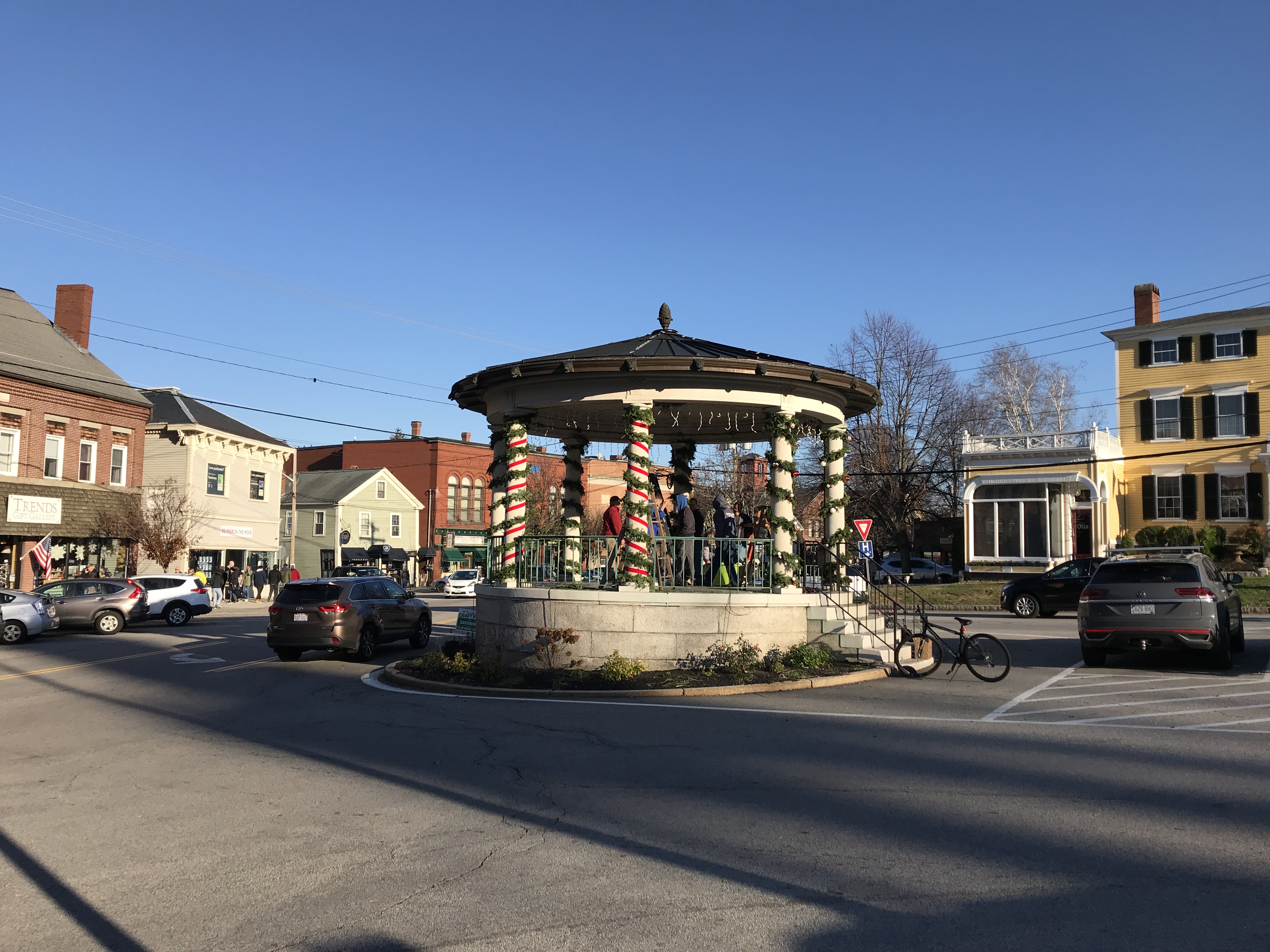
"One of the best things about Exeter is the downtown. Quintessential New England. Christmas time is one of the most magical times to live in Exeter. They have a holiday parade at night that lights up the town. Monday nights in the summer they have band concerts in the center of town. It's just an adorable place to live."
Where is Exeter, NH, and how is the town organized?
Exeter, NH, sits in Rockingham County in the state's Seacoast region, inland from the Atlantic coast and southwest of Portsmouth, NH. The town is organized around two noticeably different environments: the historic downtown and the outer commercial areas.
What is downtown Exeter, NH, like?
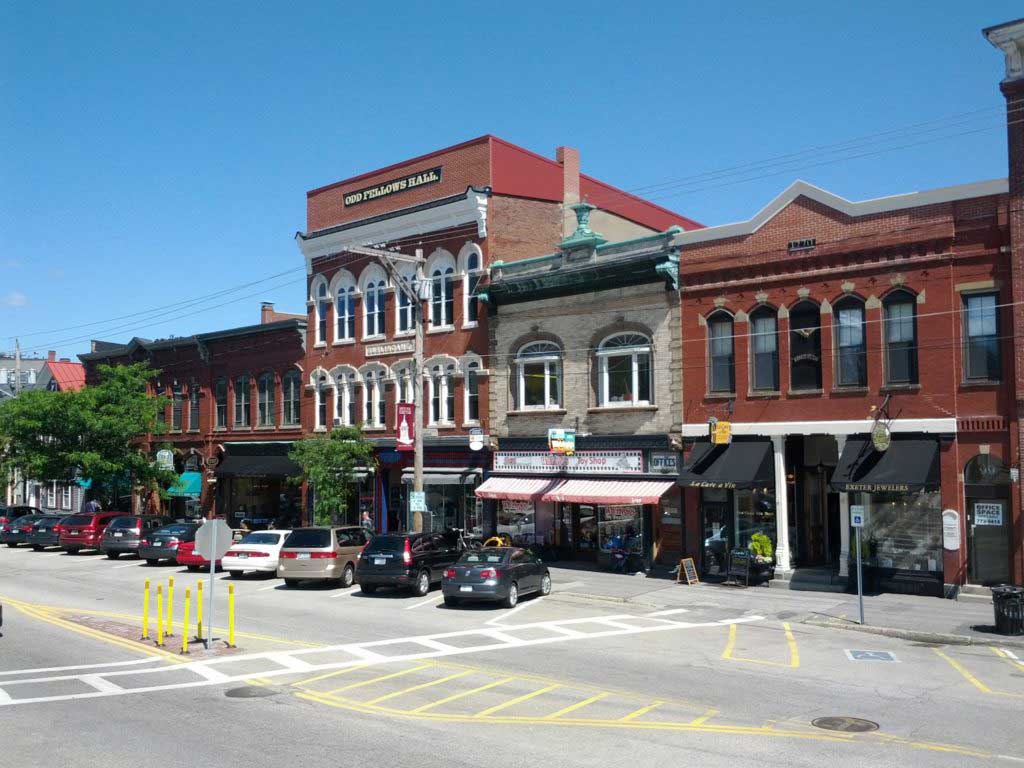
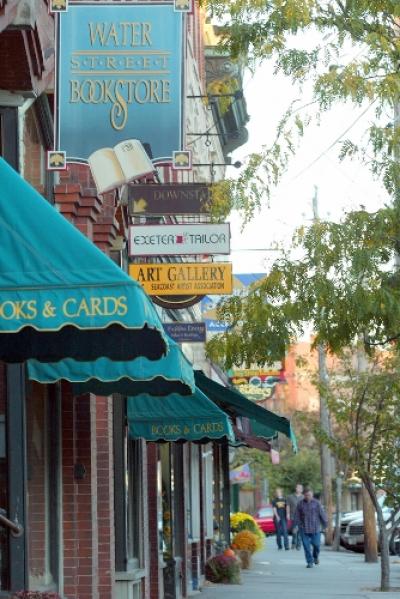
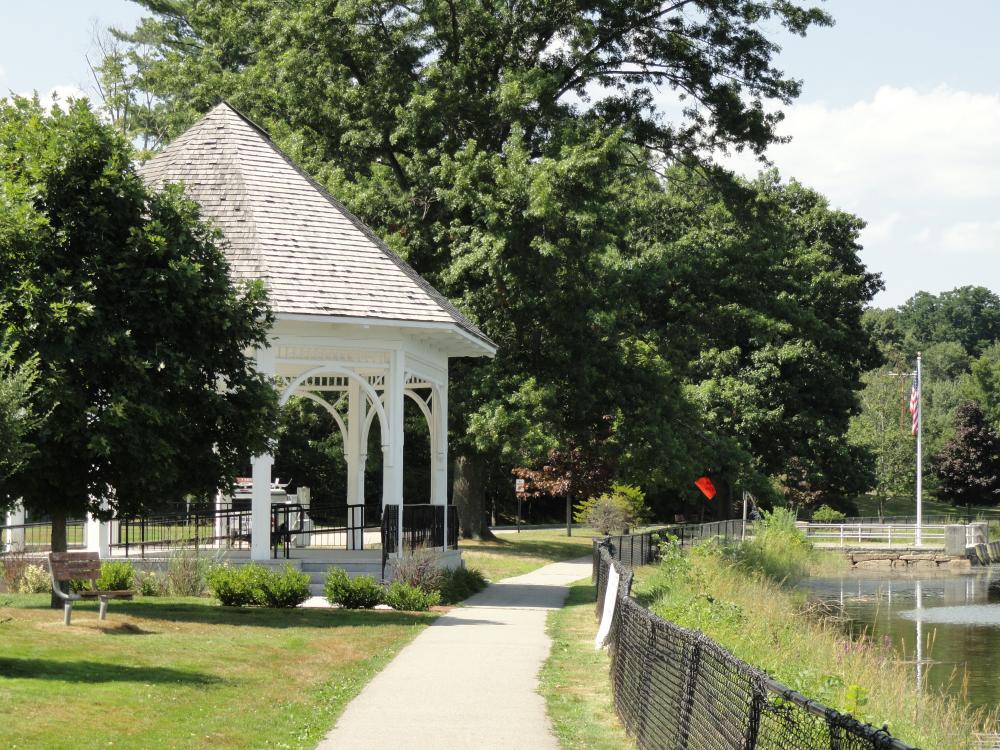
Downtown Exeter, NH, follows Water Street and nearby Front Street, where brick commercial buildings, restaurants, independent shops, municipal offices and historic properties cluster close to the river. Swasey Parkway runs along the Squamscott River and hosts concerts, markets and festivals. Side streets transition quickly into older residential blocks, converted mill buildings, multifamily properties and the Phillips Exeter Academy campus.
This is the part of Exeter, NH, where walking can replace some short car trips. Residents near the center may be able to reach coffee, dining, the public library, the town hall, the bandstand, the parkway and the Amtrak station on foot. Parking, event traffic, older-building layouts and smaller lots are practical considerations.
What are the outer commercial areas of Exeter, NH, like?
The Epping Road and Portsmouth Avenue corridors provide supermarkets, pharmacies, services, medical offices, restaurants and larger-format retail. These areas have a more conventional auto-oriented layout, with wider roads, parking lots and newer commercial buildings. Route 101 connects Exeter, NH, with Interstate 95, Manchester, NH, and other regional job centers.
Housing outside the center includes subdivisions, condominium developments, apartment communities, manufactured housing, older homes on larger parcels and rural-edge properties. The tradeoff is typically more driving in exchange for different lot sizes, building ages and parking arrangements.
What does everyday life in Exeter, NH, feel like?
A typical weekday often moves between the residential streets, schools, Route 101, the Epping Road and Portsmouth Avenue businesses, and the downtown core. Morning activity concentrates around school routes and commuter connections. Midday brings employees, students, appointments and errands downtown. Evenings add restaurant traffic, recreation programs and seasonal events.
The experience changes by location. A downtown resident may walk to Water Street and hear activity from festivals or concerts. Someone near the town forests may organize routines around trail access and driving. A resident closer to Route 101 may prioritize regional commuting and commercial convenience.
Seasonality is visible. Warm months bring the Exeter Farmers' Market, concerts and riverfront events. Fall adds festivals and foliage traffic. Winter means snow removal, heating expenses and variable driving conditions. Older homes may require additional planning for insulation, heating systems and maintenance, while condominium ownership may shift some exterior work into association fees and rules.
What are the neighborhoods and housing areas in Exeter, NH?
Exeter, NH, does not divide neatly into a fixed list of universally recognized neighborhoods. The areas below are practical housing-search zones, not official boundaries. Buyers should evaluate the actual parcel, zoning, utilities, flood information, association documents and school assignment for every property.
What is the Downtown and Water Street area like?
The downtown core includes Water Street, Front Street and nearby blocks around the river and bandstand. Housing can include apartments over commercial space, condominiums, converted mill units, historic single-family homes and smaller multifamily properties.
The defining feature is proximity. Restaurants, shops, Swasey Parkway, town services and community events are close by. Housing tradeoffs can include limited private outdoor space, shared parking, older systems, street activity and association fees in condominium buildings.
What is the Lincoln Street and Academy area like?
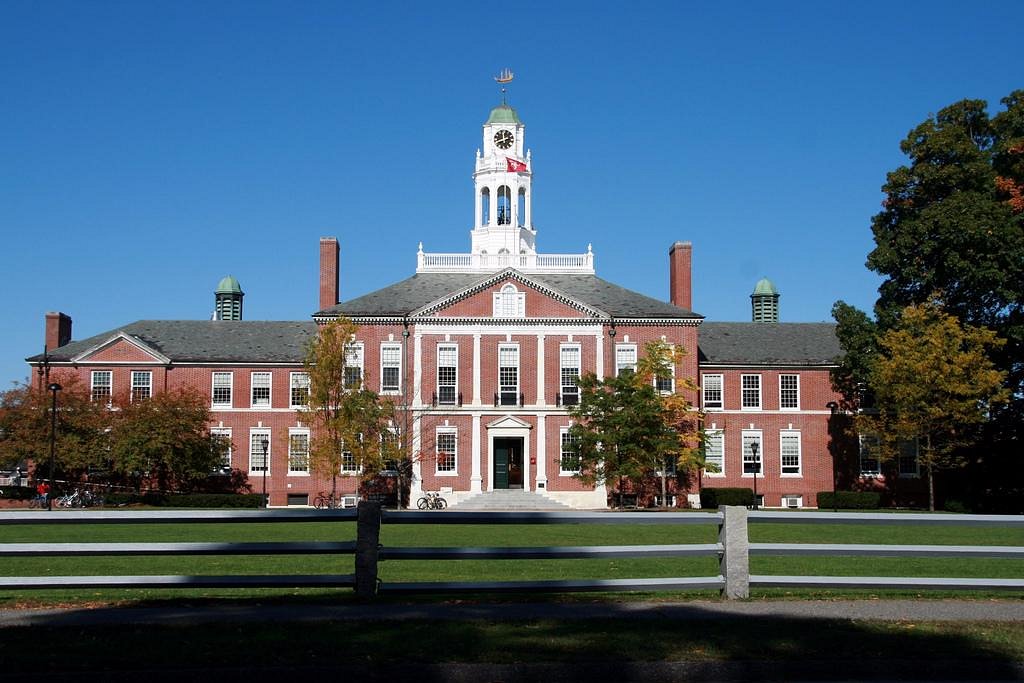
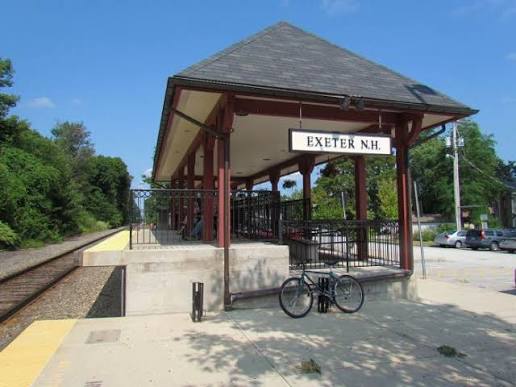
The area around Lincoln Street, Main Street and the Phillips Exeter Academy campus combines institutional architecture with older residential streets. Homes range from historic properties to smaller houses, rentals and multifamily buildings. The Exeter Amtrak station at 60 Lincoln Street adds regional rail access.
Buyers should pay attention to lot size, renovation history, traffic patterns at school arrival and dismissal times, and the special maintenance needs that can come with older construction.
What is the Jady Hill and northeast Exeter, NH, area like?
The northeast side near Portsmouth Avenue and Jady Hill contains a mix of established residential streets, condominium communities, apartments, medical offices and access to shopping. This area can provide a practical connection to Route 101, Exeter Hospital and Stratham, NH.
Housing conditions vary from street to street. Compare association budgets, parking, utility arrangements, road ownership and commute access rather than relying on a neighborhood label.
What is the Epping Road and west Exeter, NH, area like?
West of the center, Epping Road shifts from residential properties to commercial services and Route 101 access. Nearby housing includes single-family homes, apartments, condominiums and properties with a more suburban or rural-edge setting.
This area is useful for buyers who prioritize highway access and routine shopping. Pedestrian connectivity is less consistent than in the downtown core, and traffic near commercial entrances can vary by time of day.
What are the town forest and rural-edge areas like?
The outer portions of Exeter, NH, include wooded parcels, conservation land and lower-density roads near the borders with Brentwood, NH, Kensington, NH, East Kingston, NH, and Newfields, NH. Housing may offer larger lots or greater separation between buildings, but it can also introduce wells, septic systems, longer driveways and more extensive exterior maintenance.
For any rural-edge property, investigate water source, septic records, internet service, road maintenance, wetlands, conservation restrictions and travel time to daily destinations.
What are schools in Exeter, NH, like?
Public education in Exeter, NH, is split by grade level and district structure. Main Street School and Lincoln Street Elementary School are part of the Exeter School District. Cooperative Middle School and Exeter High School are part of the Exeter Region Cooperative School District, which serves multiple communities.
Niche school statistics are snapshots based on government data and Niche's methodology. Enrollment, ratios, proficiency figures, boundaries and programs can change. Buyers should confirm assignments directly with SAU 16 and review state and school sources before making a housing decision.
| School | Grades | Niche-reported enrollment | Student-teacher ratio | Niche-reported academic snapshot |
|---|---|---|---|---|
| Main Street School | PK to 2 | 406 | 9:1 | Niche lists an overall designation of above average and a Teachers grade of A |
| Lincoln Street Elementary School | 3 to 5 | 401 | 10:1 | Niche reports 72% math and 69% reading proficiency, with an overall A-minus grade |
| Cooperative Middle School | 6 to 8 | 945 | 10:1 | Niche reports 51% math and 64% reading proficiency, with an overall A-minus grade |
| Exeter High School | 9 to 12 | 1,348 | 12:1 | Niche reports 50% math and 80% reading proficiency and describes the school as above average |
At the district level, Niche reports 2,302 students in grades 6 through 12 for the Exeter Region Cooperative School District, an 11:1 student-teacher ratio, and proficiency figures of 51 percent in math and 68 percent in reading.
Phillips Exeter Academy is a separate private boarding school serving grades 9 through 12. Founded in 1781, it occupies a 700-acre campus and is known for its Harkness discussion method. Its presence affects local employment, cultural programming, land use and the visual identity of central Exeter, NH. It is not part of the public school assignment system.
What jobs and employers are in Exeter, NH?
Employment in Exeter, NH, spans healthcare, education, manufacturing, professional services, municipal work, retail, hospitality and residential services. New Hampshire Employment Security's local employer data identifies Exeter Hospital among the town's largest employers, in the 1,000 to 4,999 employment-size range in its listing.
Other major institutions and companies associated with Exeter, NH, include:
- Phillips Exeter Academy, with education, facilities, food service, technology, library and administrative positions
- RiverWoods Exeter, with healthcare, hospitality, dining, maintenance and administrative work
- SIG SAUER, with manufacturing and related operations in the Exeter, NH, area
- ams OSRAM, associated with specialty lighting and technology operations
- Vapotherm, associated with medical technology
- Cobham, associated with electronics and advanced manufacturing
- Exeter Region Cooperative School District and Exeter School District, with education and operational positions
- Town of Exeter, NH, with municipal administration, public works, public safety, recreation and utility roles
The broader employment picture matters as much as the town list. Portsmouth, NH, the Pease International Tradeport, Dover, NH, Newington, NH, and southern New Hampshire expand access to healthcare, technology, logistics, education, tourism and manufacturing jobs. State labor data for 2024 estimated that 49.1 percent of working residents worked in their community of residence, 40 percent commuted to another New Hampshire community and 10.9 percent commuted out of state.
What is the housing market like in Exeter, NH?
The Exeter, NH, housing market includes historic houses, capes, colonials, ranches, condominiums, townhouses, apartments, manufactured housing and newer subdivisions. Inventory can be limited within any one property type, so townwide statistics may not predict the price or competition for a specific home.
As of July 31, 2026, Zillow estimated the average home value in Exeter, NH, at about $618,517, up 3.1 percent over the previous year. Zillow reported 41 for-sale listings and 23 new listings for that month, with a median list price of $599,600.
Redfin's data for the three months ending June 2026 showed a median sale price of about $674,633, up 6.2 percent year over year. It reported an average of two offers and approximately 39 days on market. The difference between Zillow and Redfin is expected because they measure different things. Zillow's figure is a modeled average value, while Redfin's figure reflects the mix of homes that sold during a specific period.
Buyers should compare the latest 30- to 90-day sales for the same property type, location, condition and size. A downtown condominium, rural-edge house and newer subdivision property belong to different competitive sets even when they share an Exeter, NH, mailing address.
What housing costs should buyers consider in Exeter, NH?
The purchase price is only one part of the budget. A realistic ownership estimate should include principal, interest, property taxes, homeowners insurance, utilities, maintenance, association fees when applicable, and possible flood insurance.
Third-party cost-of-living indexes vary by methodology. AreaVibes placed Exeter, NH, at an overall index of 113, or 13 percent above the national benchmark of 100 and about 3 percent above the New Hampshire average. ERI estimated the town at 19 percent above the national average. These estimates should be treated as directional because they use different baskets, dates and geographic assumptions.
Housing is the category most likely to change the answer for an individual household. Older detached homes can involve heating and maintenance costs that an index does not capture. A condominium may reduce some direct exterior maintenance while adding monthly fees and possible assessments. New Hampshire has no broad sales tax on ordinary retail purchases, but local property taxes remain important to the ownership calculation.
Before making an offer, request the current tax bill, utility history when available, insurance quotes, condominium budget and fee history, and documentation for major systems. Compare total monthly cost rather than mortgage principal and interest alone.
How does living in Exeter, NH, compare regionally?
| Community | General setting | Housing pattern | Daily access comparison |
|---|---|---|---|
| Exeter, NH | Historic inland Seacoast town with a defined center | Broad mix of older homes, condos, apartments and subdivisions | Walkable core, Route 101 access and Downeaster station |
| Portsmouth, NH | Denser coastal city and regional dining center | More urban condos, compact lots and higher-density options | More restaurants and waterfront activity, typically higher housing costs |
| Stratham, NH | Lower-density town east of Exeter, NH | Subdivisions, detached homes and larger lots are common | Close to Exeter, NH, services but without a comparable historic downtown |
| Brentwood, NH | More rural town west of Exeter, NH | Detached homes, larger parcels and fewer commercial areas | More driving for downtown amenities and regional services |
| Newmarket, NH | Compact mill-town center north of Exeter, NH | Older homes, apartments, condos and smaller lots | Different commute pattern toward Durham, NH, and the Route 16 corridor |
Exeter, NH, occupies a middle position. It offers a recognizable downtown and train station without the density of Portsmouth, NH. It provides more in-town services than many nearby rural communities, but less large-scale retail than regional commercial centers. Housing prices may be lower than some coastal markets, yet they remain high relative to national benchmarks.
How long are drives from Exeter, NH, to regional destinations?
Typical off-peak driving times are more useful than mileage, but they are not guarantees. Weather, construction, beach traffic and commuting hours can materially change the trip.
| Destination | Typical drive from central Exeter, NH | Practical note |
|---|---|---|
| Hampton Beach, NH | 20 to 25 minutes | Summer traffic can add substantial time |
| Downtown Portsmouth, NH | 25 to 30 minutes | Route 101 and Interstate 95 are the usual connection |
| Pease International Tradeport | 20 to 30 minutes | Exact time depends on the worksite entrance |
| Downtown Dover, NH | 30 to 35 minutes | Route choice varies with traffic |
| Manchester-Boston Regional Airport | 40 to 50 minutes | Route 101 provides the primary connection |
| Downtown Manchester, NH | 45 to 55 minutes | Peak traffic can extend the trip |
| Boston Logan International Airport | 60 to 80 minutes | Allow more time during Boston peak periods |
| Boston, MA, city center | 65 to 90 minutes | Driving time varies sharply by day and hour |
| Portland, ME | 70 to 85 minutes | Interstate 95 is the usual route |
| North Conway, NH | About 2 hours | Seasonal recreation traffic can add time |
The Amtrak Downeaster provides an alternative to driving for some trips. Published station information puts Exeter, NH, to Boston North Station at about 1 hour 10 minutes and Exeter, NH, to Portland, ME, at about 1 hour 20 minutes, with schedule variation. Boston North Station does not directly connect to South Station, so onward rail travelers need to plan a local transfer.
What amenities are available in Exeter, NH?
Downtown amenities include restaurants, cafes, independent retailers, the Exeter Public Library, municipal services, galleries and seasonal programming. The outer commercial corridors add groceries, pharmacies, medical offices, banking, fitness facilities and vehicle-oriented services.
Outdoor access is unusually visible for a town of this size. Swasey Parkway provides a riverfront setting in the center. Town trail resources include Henderson-Swasey Town Forest, Oaklands Town Forest, Raynes Farm and the Little River Conservation Area. Trail access and conditions can change, so check town notices before visiting.
Healthcare access includes Exeter Hospital and related medical practices. Rail service at 60 Lincoln Street connects Exeter, NH, with Boston and Maine. The combination does not eliminate the need for a car in most locations, but it adds transportation flexibility that many nearby towns do not have.
#ThingsToDoInExeter, NH:

Exeter, NH, has a mix of history, outdoor recreation, community events, food and cultural programming. Event dates change annually, so confirm schedules before making plans.
- Tour the American Independence Museum. The campus includes the 1721 Ladd-Gilman House and Folsom Tavern, with collections connected to the American Revolution and an original Dunlap Broadside of the Declaration of Independence.
- Attend the American Independence Festival. The 36th festival was scheduled for July 11, 2026, in downtown Exeter, NH, with a public reading, historic interpretation, artisans and related programming.
- Walk Swasey Parkway. The riverfront parkway is a central route for a walk, picnic, market visit or seasonal event.
- Shop the Exeter Farmers' Market. The 2026 market schedule ran Thursdays from early May through late October at Swasey Parkway, with afternoon hours and live music.
- See the Summer Concert Series. Exeter Parks and Recreation scheduled weekly concerts at Swasey Parkway from late June through mid-August 2026.
- Visit the Exeter UFO Festival. Held around Labor Day weekend, the event commemorates the 1965 Incident at Exeter with speakers, downtown activities and themed programming.
- Try the Powder Keg Beer & Chili Festival. The annual October event at Swasey Parkway combines regional breweries, restaurant chili, food vendors and live entertainment.
- Explore Henderson-Swasey Town Forest. The conservation area offers marked trails, with maps available through the town.
- Hike Oaklands Town Forest or Raynes Farm. These town-managed conservation properties add alternatives for walking and observing seasonal landscape changes.
- Walk the Phillips Exeter Academy campus. The campus architecture, grounds and institutional history are part of the town's identity. Follow posted access rules and event guidance.
- Browse Water Street. A self-guided downtown visit can combine independent shops, dining, architecture, the bandstand and the river.
- Use the Downeaster for a day trip. Boston, MA, and Portland, ME, can be reached without driving, subject to the published schedule and ticket availability.
What are the pros and cons of living in Exeter, NH?
What are the Pros of Living in Exeter, NH?
- Defined downtown: Water Street, Swasey Parkway, restaurants, independent shops and community events create a recognizable town center.
- Regional transportation access: Route 101 connects with Interstate 95 and Manchester, NH, while the Amtrak Downeaster serves Boston, MA, and Portland, ME.
- Varied housing stock: Buyers can find historic houses, capes, colonials, ranches, condominiums, townhouses, apartments, manufactured housing and newer subdivisions.
- Local employment base: Healthcare, education, municipal services, manufacturing, hospitality and professional services provide work opportunities within Exeter, NH.
- Access to regional jobs: Portsmouth, NH, Pease International Tradeport, Dover, NH, Newington, NH, and Manchester, NH, expand the range of employers within commuting distance.
- Outdoor and cultural amenities: Town forests, conservation areas, the Squamscott River, the American Independence Museum and Phillips Exeter Academy add recreation and cultural options.
- Recurring events: The American Independence Festival, Exeter UFO Festival, Powder Keg Beer & Chili Festival, farmers' market and summer concerts create a full seasonal calendar.
- In-town services: Exeter Hospital, grocery stores, pharmacies, medical offices, town services and everyday retail reduce the need to travel to a larger city for many routine needs.
What are the Cons of Living in Exeter, NH?
- Higher housing costs: Current home values and sale prices are above national benchmarks, and competition can vary sharply by property type and price range.
- Property-related expenses: Property taxes, homeowners insurance, winter heating, utilities and maintenance can materially increase the total cost of ownership.
- Car dependence outside downtown: Most errands require driving once outside the central Water Street and Front Street blocks.
- Traffic and parking changes: School schedules, downtown festivals, summer travel and commercial-corridor activity can affect travel times and parking availability.
- Older-home maintenance: Historic and older properties may require specialized repairs, energy improvements or replacement of major systems.
- Condominium costs and restrictions: Condominium ownership may include monthly fees, association rules, shared maintenance decisions and possible special assessments.
- Variable Boston commute: Driving times to Boston, MA, can change substantially during peak periods, construction and poor weather.
- Rail transfer limitation: The Downeaster serves Boston North Station, so travelers continuing through South Station must arrange a separate local transfer.
Is living in Exeter, NH, a good fit for your priorities?
Exeter, NH, is worth considering when a defined town center, varied housing, Seacoast access, passenger rail and regional job options rank highly. It may be less suitable when the top priorities are a low-cost housing market, large-lot availability at every price point, extensive public transit within town or immediate access to a major-city employment core.
Evaluate Exeter, NH, at the property level. Visit at different times, test the actual commute, confirm school assignment, compare recent like-for-like sales and calculate a full monthly ownership cost. A house near Water Street will produce a different routine from a condominium near Portsmouth Avenue or a rural-edge property near a town forest.
Disclaimer: This article is for general informational purposes and does not provide legal, tax, lending or real estate advice. Market statistics, school data, travel times, event schedules and employer information can change. Verify current details with the relevant institution or qualified professional.
Sources
U.S. Census Bureau QuickFacts, Exeter town, Census Reporter, Exeter, NH, New Hampshire Employment Security Community Profile, New Hampshire Employment Security Employers, Town of Exeter, NH, Town of Exeter, NH, Trail Maps, Town of Exeter, NH, Annual Events, Niche Main Street School, Niche Lincoln Street Elementary School, Niche Cooperative Middle School, Niche Exeter High School, Niche Exeter Region Cooperative School District, Phillips Exeter Academy, Zillow Exeter, NH, Home Values, Redfin Exeter, NH, Housing Market, AreaVibes Exeter, NH, Cost of Living, ERI Exeter, NH, Cost of Living, Amtrak Downeaster Exeter Station, American Independence Museum, Exeter Farmers' Market, Exeter UFO Festival, Powder Keg Beer & Chili Festival. Image credits: downtown Exeter photo, Phillips Exeter Academy photo
Articles on this blog are for general educational purposes and are not individualized legal, tax, lending, or real estate advice. Markets, rules, and programs change, and every situation is different. Always consult a qualified professional about your specific circumstances.