
What should you know about living in Newmarket, NH?
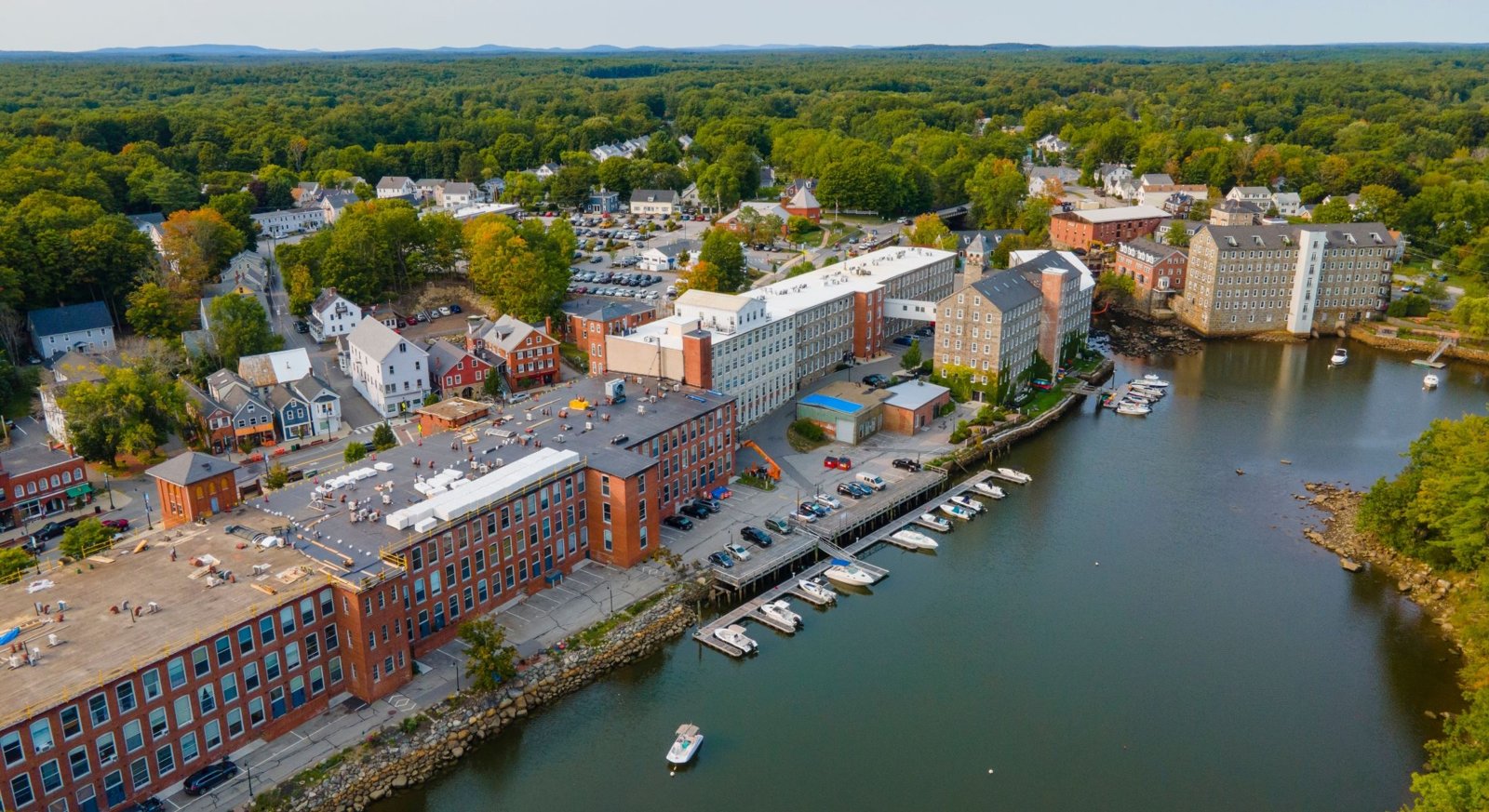
Living in Newmarket, NH, means choosing a compact Seacoast mill town with a walkable downtown, converted waterfront mills, access to the Lamprey River and practical connections to Durham, Dover, Exeter and Portsmouth. The town combines older in-town housing, mill apartments and condominiums, established subdivisions, rural-edge properties and a smaller commercial corridor along Route 108.
Newmarket, NH, had an estimated population of 9,647 on July 1, 2025, up 2.4% from the 2020 estimate base. The town is large enough to have its own public school district, municipal services, restaurants, recreation programming and local employers, but small enough that the downtown core remains concentrated along Main Street and the river.
The central tradeoff is location versus space. Near downtown, residents can reach restaurants, coffee, live music, the library, Schanda Conservation Park and the riverfront on foot, but housing may have smaller lots, shared parking, older systems or condominium fees. Farther from Main Street, buyers may find newer construction, larger parcels and more conventional parking, with more driving for routine errands.
Regionally, Newmarket, NH, sits between university-oriented Durham, NH, the larger employment and service centers of Dover, NH, and Portsmouth, NH, and the historic town-center setting of Exeter, NH. It does not have passenger rail service or a large retail district of its own, but the Durham and Exeter Amtrak stations, Route 108 and nearby Route 125 expand transportation choices.
Where is Newmarket, NH, and how is the town organized?
Newmarket, NH, is in Rockingham County on the tidal Lamprey River, which flows into Great Bay. The built environment is organized around three broad patterns: the downtown and mill district, the Route 108 commercial and institutional corridor, and lower-density roads extending toward Durham, Lee, Epping, Newfields and Great Bay.
Newmarket, NH, does not divide into a fixed list of official neighborhoods familiar to every resident. The area descriptions below are practical housing-search zones. Property boundaries, zoning, utilities, flood information, condominium documents and school assignments should always be checked for the individual address.
What is downtown Newmarket, NH, like?
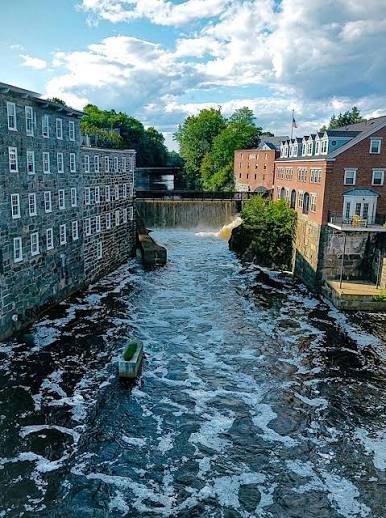
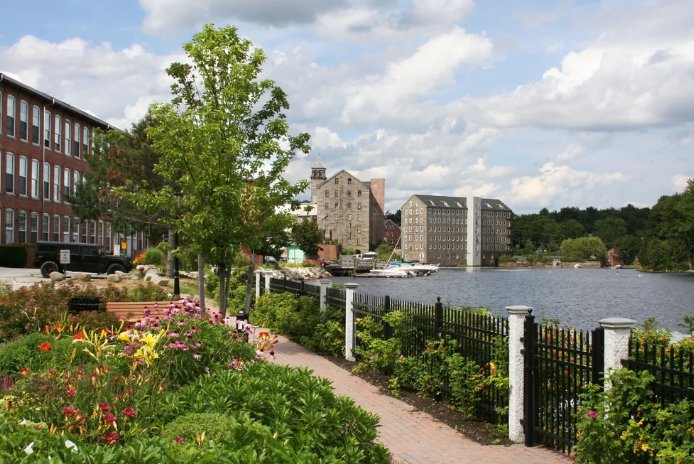
Downtown Newmarket, NH, follows Main Street near the Lamprey River and Macallen Dam. Historic commercial buildings, restaurants, cafes, small businesses, town offices and the Newmarket Public Library sit within a compact street network. The large granite Newmarket Mills buildings dominate the riverfront and now contain 112 apartments plus more than 50,000 square feet of commercial space.
This is the most pedestrian-oriented part of town. Depending on the exact address, a resident may be able to walk to dining, coffee, live music at The Stone Church Music Club, Schanda Conservation Park, the library, municipal offices and river views. The downtown experience also includes delivery traffic, public events, limited private outdoor space at some properties and parking arrangements that vary by building.
Housing includes apartments above storefronts, converted mill apartments and condominiums, older single-family houses, duplexes and other small multifamily buildings. Buyers considering an older house or converted property should review renovation records, utilities, parking rights, sound transmission, insurance requirements and association budgets where applicable.
What is the outer commercial area of Newmarket, NH, like?
The outer commercialized area is smaller and more linear than downtown. It follows Route 108, including North Main Street toward Durham, NH, and South Main Street and Exeter Road toward Newfields, NH, and Exeter, NH. This corridor contains schools, Lamprey Health Care, auto services, small shopping plazas, food businesses, professional offices, recreation facilities and access to the Newmarket Industrial Park.
The layout is more auto-oriented than the downtown blocks. Buildings are farther apart, parking lots are more common and sidewalks or crossings may be less continuous. Route 108 is also the main regional commuting spine, so travel conditions vary around school arrival and dismissal, workday peaks and road projects.
Housing near the corridor includes apartments, condominiums, smaller detached homes and established subdivisions. This location can shorten trips to Durham, NH, or Exeter, NH, but buyers should test driveway access and traffic at the times they expect to travel.
What does everyday life in Newmarket, NH, feel like?
A weekday often moves along Route 108 between homes, schools, downtown businesses and jobs elsewhere in the Seacoast. The Census Bureau reports a mean commute of 28.2 minutes for workers age 16 and older during 2020 to 2024. Downtown foot traffic increases around meals and events, while the school campus on South Main Street creates distinct morning and afternoon activity.
Newmarket, NH, feels most active in a narrow central area rather than across a large commercial grid. A downtown resident may walk for coffee, dinner, a library visit or a performance. Someone living near Grant Road, Ash Swamp Road or the town's outer boundaries is more likely to combine errands by car. Full-scale grocery shopping, major medical appointments and big-box retail often involve trips to neighboring towns.
The Lamprey River is part of the visual routine. Macallen Dam, the waterfront mills, Schanda Conservation Park and Heron Point Sanctuary make the river visible from central locations. Conservation areas create additional walking options away from Main Street.
Seasonality affects both routines and costs. Warm months bring outdoor concerts, paddling, trails and downtown events. Fall changes trail conditions and draws regional visitors. Winter requires planning for snow removal, heating, parking restrictions and variable commutes. Older housing may need closer attention to insulation and mechanical systems, while condominium living shifts some exterior work into association fees and rules.
What are the neighborhoods and housing areas in Newmarket, NH?
The practical areas below describe different housing and daily-access patterns rather than official neighborhood boundaries.
What is the downtown Main Street and mill district like?
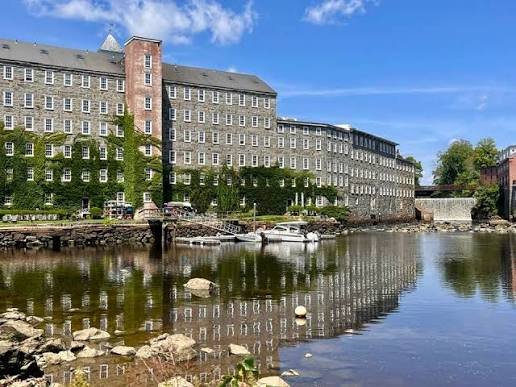
The Main Street core, Newmarket Mills and nearby river blocks offer the shortest walk to restaurants, coffee, live music, the public library and Schanda Conservation Park. Housing includes mill apartments, mill condominiums, apartments over businesses, compact historic houses and multifamily properties.
The main appeal is proximity; the main considerations are building age, shared walls, limited private outdoor space, event activity and parking. In a condominium or converted mill, review monthly fees, reserves, master insurance, pet and rental rules, upcoming projects and any special assessments.
What is the South Main Street school corridor like?
South Main Street contains Newmarket Junior-Senior High School, Newmarket Elementary School, Lamprey Health Care and residential streets branching toward the recreation complex. Housing ranges from older detached homes and multifamily properties to apartments and established subdivisions.
This zone offers direct access to schools and services, but conditions change around arrival, dismissal, athletic events and commuter periods. For a particular property, compare driveway placement, sidewalk access, parking and the actual route to downtown.
What is the North Main Street and Durham Road area like?
North of downtown, Route 108 becomes Durham Road and connects Newmarket, NH, with the University of New Hampshire and downtown Durham, NH. Housing includes older roadside homes, smaller subdivisions, condominium developments and properties with a more wooded setting.
The area can suit a Durham-oriented commute, but most daily trips require a vehicle. Road noise, turning movements and winter travel can differ substantially between a home directly on Route 108 and one on a side street.
What are the Grant Road and New Road areas like?
The western side around Grant Road, New Road and nearby connectors contains subdivisions, condominiums, recreation facilities and access toward Route 125 and Epping, NH. Lots and building ages vary, with some developments providing a more conventional suburban layout than the downtown blocks.
Buyers should compare association responsibilities, private versus public roads, water and sewer arrangements, internet service and peak-hour travel. This side of town can provide practical access to Route 125 retail and regional highways while placing downtown amenities farther away.
What are Bay Road and the Great Bay edge like?
Bay Road extends east and southeast from the center toward Great Bay and Newfields, NH. The housing pattern includes older homes, rural-edge parcels, converted properties and occasional water-oriented locations. The landscape becomes less commercial and more dispersed as distance from downtown increases.
Property research matters here. Review flood maps, wetlands, shoreline or conservation restrictions, private water and septic records, road maintenance and seasonal drainage. A Great Bay-area address may deliver a very different ownership profile from a mill condominium even though both are in Newmarket, NH.
What are the Ash Swamp Road and rural-edge areas like?
Outer roads toward Lee, NH, Epping, NH, and Newfields, NH, include wooded parcels, older farm-related properties, newer detached homes and lower-density development. Larger lots may bring wells, septic systems, long driveways, tree work and more exterior maintenance.
Travel time to Route 108, schools and groceries becomes more important than straight-line distance. Buyers should test cellular service and broadband, confirm utility arrangements and review wetlands and conservation documents before committing to a property.
What are schools in Newmarket, NH, like?
Newmarket School District serves students from prekindergarten through grade 12. Newmarket Elementary School is on South Main Street, while Newmarket Junior High School and Newmarket Senior High School share the 213 South Main Street campus. Niche's 2026 profile gives the district an A-minus overall grade, ranks it number 11 of 76 among New Hampshire school districts and reports 978 students with an 11:1 student-teacher ratio.
Niche statistics are snapshots drawn from government data, school information and Niche's methodology. Enrollment, ratios, rankings, proficiency results, programs and boundaries can change. Verify current assignments and services directly with Newmarket School District.
| School | Grades | Niche-reported enrollment | Student-teacher ratio | Niche-reported academic snapshot |
|---|---|---|---|---|
| Newmarket Elementary School | PK to 5 | 474 | 12:1 | A-minus overall; 55% math proficiency; 63% reading proficiency; number 38 of 267 New Hampshire public elementary schools |
| Newmarket Junior High School | 6 to 8 | 225 | 10:1 | B overall; 36% math proficiency; 54% reading proficiency; number 46 of 153 New Hampshire public middle schools |
| Newmarket Senior High School | 9 to 12 | 274 | 10:1 | B overall; 47% math proficiency; 76% reading proficiency; number 22 of 85 New Hampshire public high schools; AP courses offered |
At the district level, Niche reports 51% math proficiency and 67% reading proficiency based on New Hampshire's 2024 to 2025 statewide testing program. The compact district structure keeps all three public schools within Newmarket, NH, rather than sending upper grades to a multi-town cooperative district.
Housing decisions should not rely on a rating alone. Review course offerings, special education resources, transportation, extracurriculars, graduation data, facilities and the district budget, then confirm information with the district.
What jobs and employers are in Newmarket, NH?
Employment in Newmarket, NH, includes education, municipal government, healthcare, construction and property management, light industry, recreation, retail, restaurants and professional services. The town's economic development material notes that Timberland, Vitronics, Newmarket Software and Bavarian Autosport were founded in Newmarket, NH, although founding history does not mean each company still maintains its principal operations there.
Employers and employment centers associated with Newmarket, NH, include:
- Newmarket School District, with teaching, administration, facilities, food service, transportation and student-service roles.
- Town of Newmarket, NH, with municipal administration, public works, library, recreation, planning and emergency-service positions.
- Lamprey Health Care, a nonprofit community health center founded in Newmarket, NH, with clinical, administrative, billing and transportation work.
- Chinburg Properties, active in construction, development and property management, including the redeveloped Newmarket Mills.
- Newmarket Mills tenants, representing offices, services and other commercial uses alongside 112 residential units.
- Exeter Tents & Events, connected with event rentals, logistics and operations.
- The Pines, Seacoast Sports Clubs and local recreation businesses, with fitness, instruction, maintenance and administrative positions.
- Newberry Farms Market, restaurants, cafes, breweries, retailers and personal-service businesses, which add food, retail and hospitality work.
- Newmarket Industrial Park businesses, which provide light-industrial, service, trade and office employment that can change as tenants turn over.
The regional labor market is broader than the town itself. Durham, NH, adds University of New Hampshire employment; Dover, NH, adds healthcare, education, manufacturing and professional services; Portsmouth, NH, and Pease International Tradeport add technology, healthcare, logistics, hospitality and government work; Exeter, NH, adds healthcare, education and manufacturing. Boston-area roles are reachable for hybrid schedules, but daily peak-period driving can be lengthy.
What is the housing market like in Newmarket, NH?
The Newmarket, NH, housing market contains historic homes, capes, colonials, ranches, condominiums, townhouses, apartments, converted mill units, small multifamily properties and newer subdivisions. Inventory can be thin within any one category, so townwide averages may not describe a specific search.
As of July 31, 2026, Zillow estimated the typical Newmarket, NH, home value at $572,660, up 4.5% over the previous year. Redfin reported a median sale price of approximately $616,000 for the three months ending in mid-2026, up 13.2% year over year, and described homes as going pending in about 14 days. Realtor.com reported a median listing price near $640,000 and median rent around $2,400 per month in its 2026 market snapshot.
Those numbers answer different questions. Zillow's index is a modeled typical value across housing, Redfin's median reflects the homes that recently sold and Realtor.com's listing and rent figures reflect advertised inventory. A small number of high-priced or low-priced closings can move a townwide median significantly.
Buyers should compare the latest 30- to 90-day sales for the same housing type, size, condition and location. A one-bedroom mill condominium, a South Main Street multifamily building and a detached rural-edge house are separate competitive sets. Sellers should also distinguish between asking prices, contract prices and recorded closing prices.
What housing and living costs should buyers consider in Newmarket, NH?
The Census Bureau's 2020 to 2024 estimates place the owner-occupancy rate at 52.9%, the median value of owner-occupied housing at $455,000 and median gross rent at $1,671. Median selected monthly ownership costs were $2,621 for households with a mortgage and $1,149 without one. These multiyear survey figures predate some of the 2026 market movement, so they provide demographic context rather than a current asking-price guide.
AreaVibes assigns Newmarket, NH, an overall cost-of-living index of 117, or 17% above the national benchmark and 6% above the New Hampshire average. BestPlaces reports an index of 118.9. Both are directional third-party estimates; their baskets and update schedules differ. Housing is the category most likely to change the result for an individual household.
A realistic ownership budget should include:
- Principal and interest at the borrower's actual rate and down payment
- Current property tax bill, rather than a seller's past monthly estimate
- Homeowners and, where relevant, flood insurance
- Electricity, heating fuel, water and sewer or well and septic costs
- Snow removal, landscaping, tree work and routine maintenance
- Condominium fees, reserve health and possible special assessments
- Commuting, parking and vehicle expenses
- Near-term work on the roof, structure, drainage, electrical, plumbing and heating systems
New Hampshire has no general sales tax on ordinary retail purchases and no tax on wage income, but property taxes and housing costs remain central to the local budget. Request tax records, utility history when available, insurance quotes and association documents before comparing total monthly costs.
How does living in Newmarket, NH, compare regionally?
| Community | General setting | Housing pattern | Daily-access comparison |
|---|---|---|---|
| Newmarket, NH | Compact riverfront mill town | Older homes, mill apartments and condos, subdivisions and rural-edge parcels | Walkable central core; Route 108 access; smaller commercial base |
| Durham, NH | University-centered town | Student-oriented rentals, condominiums and detached homes | More university programming and Amtrak access; housing is shaped by the academic calendar |
| Dover, NH | Larger city on the Cocheco River | Apartments, urban neighborhoods, condos and suburban housing | More employers, retail, restaurants, healthcare and rail service; denser in the center |
| Portsmouth, NH | Coastal city and regional dining center | Urban condos, compact lots, apartments and surrounding residential areas | Much larger dining and cultural scene; typically higher housing costs and more visitor activity |
| Exeter, NH | Historic inland Seacoast town | Historic houses, condos, apartments and subdivisions | Larger service base, hospital and Amtrak station; generally a broader downtown footprint |
| Newfields, NH | Smaller, lower-density neighboring town | Detached homes and larger parcels predominate | Fewer in-town businesses; close to Newmarket, NH, and Exeter, NH, services |
| Epping, NH | Route 125 retail and highway center | Detached homes, subdivisions, apartments and rural-edge properties | More large-format shopping and Route 101 access; no comparable walkable mill downtown |
Newmarket, NH, occupies a middle position. It offers more downtown identity and mixed-use density than many small neighboring towns, but less retail and employment depth than Dover, NH, or Portsmouth, NH. It is more directly tied to Durham, NH, than Exeter, NH, is, while Exeter, NH, provides its own rail station and hospital.
How long are drives from Newmarket, NH, to regional destinations?
The following are planning ranges from central Newmarket, NH, under typical off-peak conditions, not guarantees. Route 108 congestion, school traffic, construction, winter weather, beach traffic and Boston peak periods can add time.
| Destination | Typical drive from central Newmarket, NH | Practical note |
|---|---|---|
| Downtown Durham, NH, and University of New Hampshire | 10 to 15 minutes | Route 108 is the direct connection |
| Downtown Exeter, NH | 15 to 20 minutes | Route 108 is the usual route |
| Downtown Dover, NH | 20 to 25 minutes | Route choice can vary through Durham, NH, or toward Route 125 |
| Pease International Tradeport | 20 to 30 minutes | Time depends on the worksite entrance and Route 33 conditions |
| Downtown Portsmouth, NH | 25 to 35 minutes | Peak traffic can affect Route 33 and Interstate 95 approaches |
| Hampton Beach, NH | 30 to 40 minutes | Summer weekends can add substantial time |
| Manchester-Boston Regional Airport | 45 to 60 minutes | Route 101 is reached via Epping, NH, or Exeter, NH |
| Downtown Manchester, NH | 50 to 65 minutes | Construction and commuter periods can extend the trip |
| Boston Logan International Airport | 65 to 90 minutes | Allow considerably more time at weekday peaks |
| Boston, MA, city center | 70 to 100 minutes | Parking and final urban streets add variability |
| Portland, ME | 70 to 90 minutes | Interstate 95 is the primary regional route |
| North Conway, NH | About 1 hour 50 minutes to 2 hours 15 minutes | Weekend and seasonal recreation traffic can add time |
Newmarket, NH, has no Amtrak station. The nearest Downeaster options are typically Durham-UNH and Exeter, each about a 10- to 20-minute drive depending on origin, traffic and parking. Train schedules and station parking rules should be checked for the intended travel day.
What amenities are available in Newmarket, NH?
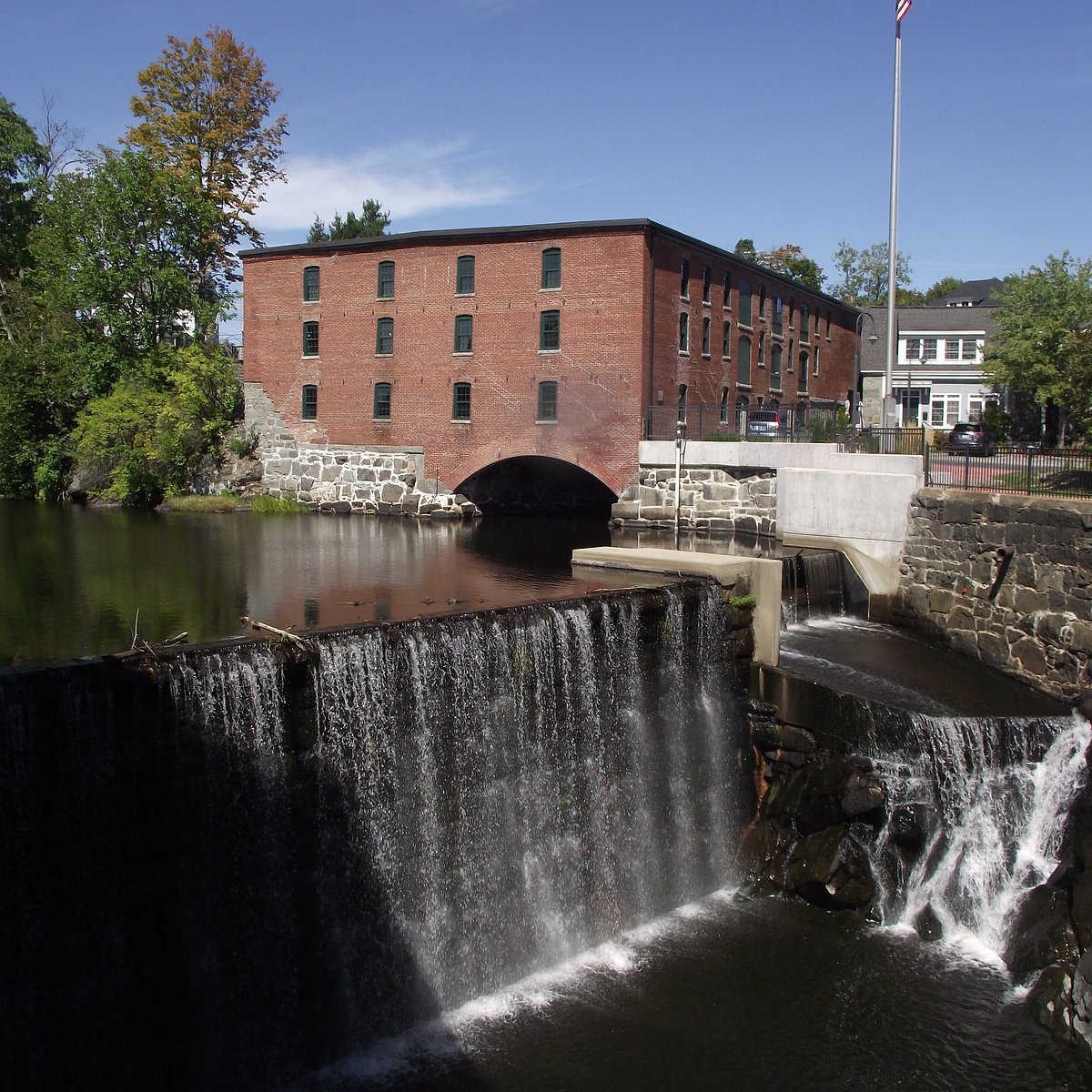
Downtown amenities include independent restaurants, cafes, small retailers, service businesses, the Newmarket Public Library, municipal offices, performance venues and riverfront access. The Stone Church Music Club and Rockingham Ballroom add live music, dancing and event programming uncommon for a town of this size.
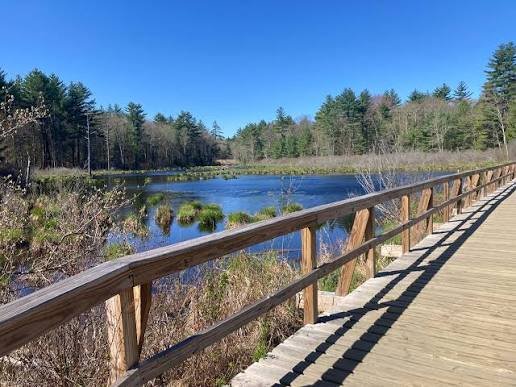
Outdoor amenities include Schanda Conservation Park, Heron Point Sanctuary, Macallen Dam, the Piscassic Greenway, Piscassic River-Loiselle Conservation Area, Sweet Trail and Wiggin Farm. The town trail page provides maps and updates. Water access and paddling conditions depend on tides, flow, weather and current rules.
Newmarket Recreation operates programs from the recreation complex at 1 Terrace Drive, including the Sunrise Sunset Center, Camp Wanna Iguana and Aqua Land splash pad. Lamprey Health Care provides local primary care; hospitals and specialist networks are available in Exeter, NH, Dover, NH, and Portsmouth, NH.
Everyday retail is present but limited compared with nearby commercial centers. Residents commonly use Epping, NH, Dover, NH, Exeter, NH, Newington, NH, and Portsmouth, NH, for larger grocery trips, big-box stores and specialized services.
#ThingsToDoInNewmarketNH: What are the best things to do in Newmarket, NH?
Newmarket, NH, offers a concentrated mix of music, river access, trails, food and recurring municipal events. Dates and programming change, so confirm the current calendar before visiting.
- See a show at The Stone Church Music Club. The 1832 former church is a longstanding venue for local and touring music, themed events and community gatherings.
- Walk the Newmarket Mills riverfront. The granite mill buildings frame the downtown and illustrate the town's transition from manufacturing center to mixed-use district.
- Visit Richard Schanda Conservation Park. This small downtown park overlooks the tidal Lamprey River, the mills and a fish weir inspired by traditional Indigenous design.
- Explore Heron Point Sanctuary. The wooded trails provide views toward the Lamprey River and Macallen Dam within a short distance of downtown.
- Stop at Macallen Dam. The dam is a defining central landmark and a useful starting point for understanding the river's industrial and environmental role.
- Hear the Arts in the Park Summer Concert Series. Newmarket Recreation schedules Tuesday-night performances at Schanda Park or the Recreation Center complex fields.
- Attend Very Merry Main Street. This municipal holiday event brings seasonal activities to the downtown area; the exact program changes by year.
- Go to Halloween Haunt. Newmarket Recreation's annual October event includes themed games and activities, complemented by a separate Halloween House Decorating Contest.
- Dance or attend an event at Rockingham Ballroom. The historic 1934 hall has a 4,000-square-foot wood dance floor and hosts music, comedy, classes and private events.
- Visit Deciduous Brewing Company. The Newmarket, NH, brewery offers locally produced beer and rotating releases; verify current hours and service details.
- Browse Crackskull's Coffee & Books. This downtown business combines a cafe with books and a setting for informal local activity.
- Eat around Main Street. Pair a downtown walk with locally operated restaurants and cafes such as The Big Bean and other businesses whose hours can change seasonally.
- Hike the Piscassic Greenway. Use the town's official trail map to plan a route and check current access or surface conditions.
- Walk the Sweet Trail. This regional trail traverses wetland and woodland landscapes between Newmarket, NH, and Durham, NH; seasonal conditions may affect sections.
- Explore Wiggin Farm Conservation Area. The town-owned property spans roughly 160 acres and provides another option for walking and observing the local landscape.
- Look for Newmarket Heritage Festival programming. The event has historically featured music, dance, artisan demonstrations and local history; verify whether and when it is scheduled in the current year.
- Join Newmarket, NH, 300th-anniversary events. The town's tricentennial programming begins with a December 15, 2026, gala and continues with events in 2027, including a historical open house and Backyard Bash.
What are the pros and cons of living in Newmarket, NH?
What are the pros of living in Newmarket, NH?
- Compact downtown: Main Street, the mills, restaurants, coffee, the library, music venues and river access create a recognizable center.
- Regional location: Durham, NH, Exeter, NH, Dover, NH, Portsmouth, NH, Pease International Tradeport and Route 101 are within practical driving range.
- Varied housing types: The market includes older detached homes, multifamily properties, mill apartments and condominiums, townhouses, subdivisions and rural-edge houses.
- Local school district: Newmarket School District serves prekindergarten through grade 12 within town.
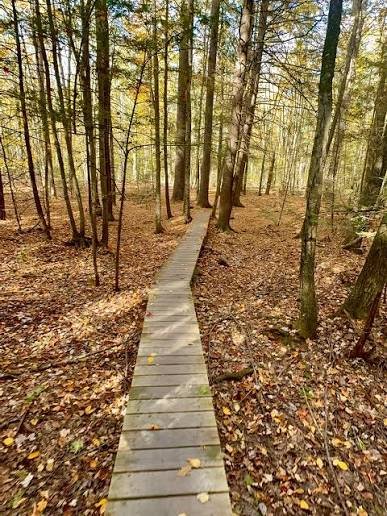
- Outdoor access: The Lamprey River, Schanda Conservation Park, Heron Point Sanctuary, Sweet Trail, Piscassic Greenway and Wiggin Farm provide multiple recreation options.
- Live entertainment: The Stone Church Music Club and Rockingham Ballroom give Newmarket, NH, a notable music and event presence.
- Local employment: Schools, municipal government, healthcare, property development, recreation, hospitality, retail and small industry provide work within town.
- Proximity to regional jobs: The University of New Hampshire, hospitals, Pease employers and larger city labor markets broaden employment prospects.
What are the cons of living in Newmarket, NH?
- Housing costs: 2026 values, sale prices and rents are above national benchmarks, and limited inventory can produce fast competition.
- Property-related expenses: Taxes, insurance, heating, utilities, maintenance and association fees can materially increase monthly costs.
- Limited large-scale retail: Many grocery, big-box and specialized shopping trips require driving to neighboring towns.
- No in-town passenger rail: Residents must drive to Durham-UNH or Exeter for the Amtrak Downeaster.
- Car dependence outside the core: Walking is most practical downtown; outer neighborhoods generally require a vehicle for routine errands.
- Route 108 traffic: School schedules, commuting, construction and turning movements can slow the town's principal north-south road.
- Older-building maintenance: Historic houses and converted properties may require specialized repairs, energy work or close review of shared systems.
- Condominium obligations: Fees, rules, reserve funding, shared decisions and possible assessments affect many attached and mill properties.
- Variable Boston commute: Driving time changes considerably by day, hour, weather and construction.
Is living in Newmarket, NH, a good fit for your priorities?
Newmarket, NH, merits consideration when a compact downtown, distinctive mill architecture, river and trail access, local music, an in-town school district and proximity to several Seacoast job centers rank highly. It may be less aligned with priorities centered on extensive public transit, a large retail district, consistently inexpensive housing or a short daily drive to Boston, MA.
Evaluate Newmarket, NH, at the address level. Visit downtown and the outer corridor at different times, test the actual commute, confirm school assignment, compare recent like-for-like sales and calculate the complete monthly housing cost. A mill condominium, a South Main Street home and a rural-edge property can create very different routines within the same town.
Disclaimer: This article is for general informational purposes and does not provide legal, tax, lending or real estate advice. Market statistics, school data, drive times, event schedules and employer information can change. Verify current details with the relevant institution or qualified professional.
Sources
U.S. Census Bureau QuickFacts, Newmarket town, Town of Newmarket, NH, Town of Newmarket, NH, Business, Town of Newmarket, NH, Trail Maps, Town of Newmarket, NH, Recreation, Town of Newmarket, NH, Events, Newmarket School District, Niche Newmarket School District, Niche Newmarket Elementary School, Niche Newmarket Junior High School, Niche Newmarket Senior High School, New Hampshire Employment Security Newmarket Employers, Newmarket, NH, Demographics and Major Employers, Newmarket Mills, Lamprey Health Care, Zillow Newmarket, NH, Home Values, Redfin Newmarket, NH, Housing Market, Realtor.com Newmarket, NH, Market Trends, AreaVibes Newmarket, NH, Cost of Living, BestPlaces Newmarket, NH, Cost of Living, The Stone Church Music Club, Rockingham Ballroom, Lamprey River Advisory Committee, Schanda Conservation Park, Newmarket, NH, 300th Anniversary Events
Articles on this blog are for general educational purposes and are not individualized legal, tax, lending, or real estate advice. Markets, rules, and programs change, and every situation is different. Always consult a qualified professional about your specific circumstances.